
Zero-AI 2D Motion Design Trailers for Video Games
Honoring Game Illustrators, Winning Show Floors, and Keeping Frame-Accurate Control in After Effects
Why gaming audiences reject generative AI shortcuts and how a pure 2D motion design trailer with zero 3D, demonstrated on Mixcity Swap at Paris Games Week, delivers maximum gameplay clarity and artistic integrity.
Why Gaming Audiences Penalize Generative AI in Launch Trailers
Across the video game ecosystem, the bond between a studio and its players rests on trust and recognizable human craft. Whether an indie title debuting at Paris Games Week, a tactical standout featured during Steam Next Fest, or a stylized multiplayer launch, slipping generative AI frames into a trailer triggers immediate backlash from players, creators, and specialized press. A warped background silhouette, smeared UI icon, or flickering texture interpolation can overshadow years of genuine development effort.
At Alt-Studio, while our studio maintains technical command over controlled 3D/AI workflows for briefs that explicitly ask for them, our stance for video game trailers is unequivocal: we work 100% free of generative AI whenever the project and audience call for pure craft. Our edge lies in being seasoned directors, layer artists, motion designers, and 3D generalists first; we never rely on AI as a crutch for missing craft fundamentals.
The Pure 2D Motion Design Equation: Zero 3D, Zero AI, High Impact
Publishers often assume an attention-grabbing trailer demands months of 3D character rigging or heavy cinematic engines. Yet whenever a game already shines through strong 2D illustration, bold character identity, and tactile UI, pure 2D Motion Design (combining Photoshop layer dissection with After Effects animation) becomes the sharpest tool on the table:
- 100% Fidelity to Studio Illustrators: zero artwork is regenerated or altered at the pixel level. Every line weight, costume silhouette, and brush texture remains identical to what players see in-game.
- Speed and Budget Discipline: a complete convention launch trailer ships in 2 to 4 weeks, directing every dollar into pacing, gameplay legibility, sound design, and graphic impact rather than unnecessary 3D compute overhead.
- Frame-Accurate Edit Control: when a creative director asks to shift a hit impact three frames earlier, enlarge a CRIT badge, or reorder two hero reveals, After Effects answers instantly, with no prompt roulette and no heavy re-renders.
Case Reference: Mixcity Swap at Paris Games Week
A clear illustration of this methodology is our announcement trailer for Atypique Studio ahead of Paris Games Week for Mixcity Swap. The brief demanded zero 3D and zero generative AI, engineered to read crisply across large booth monitors on a crowded exhibition floor.
Our workflow rested on four tightly executed pillars:
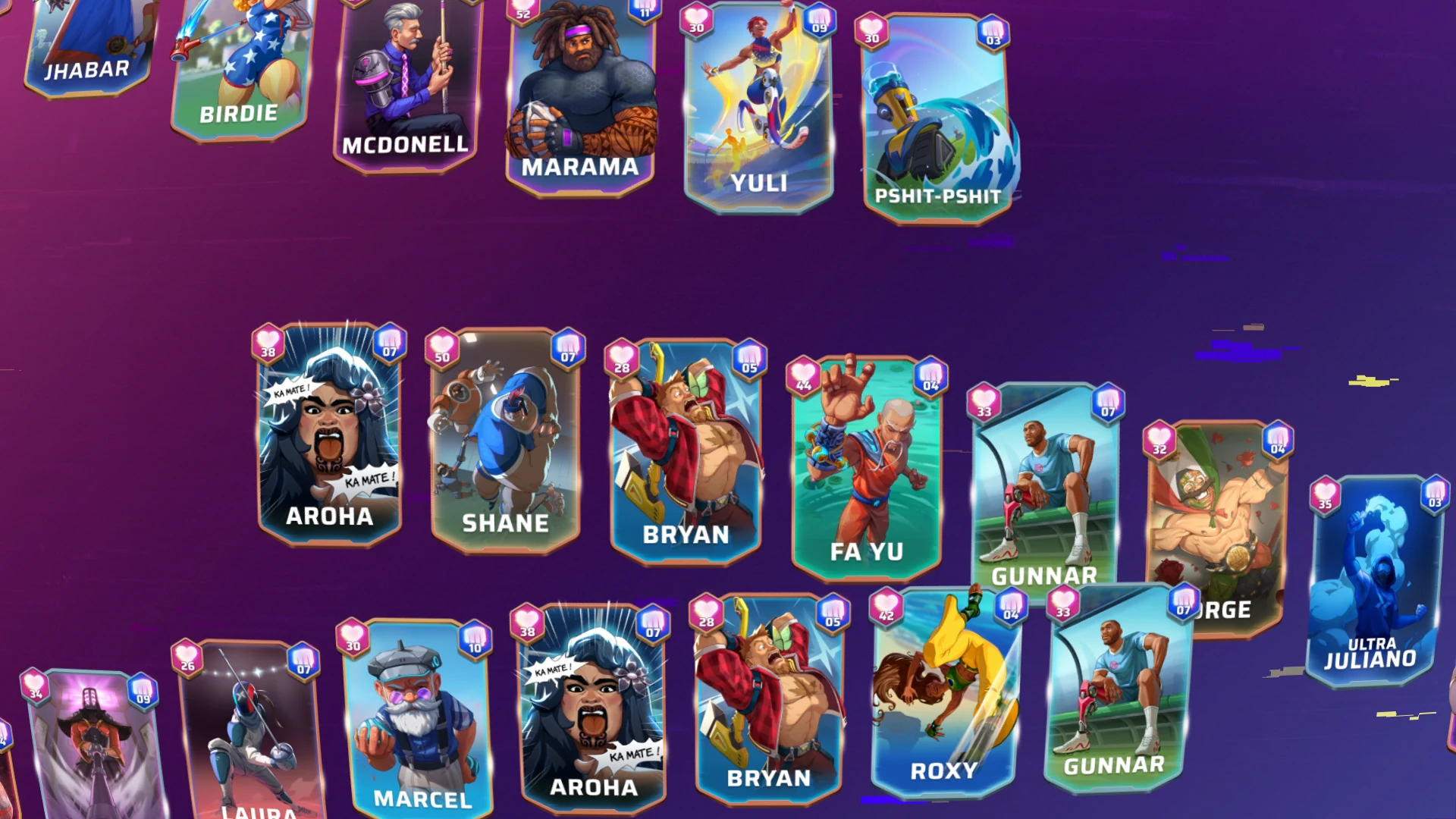
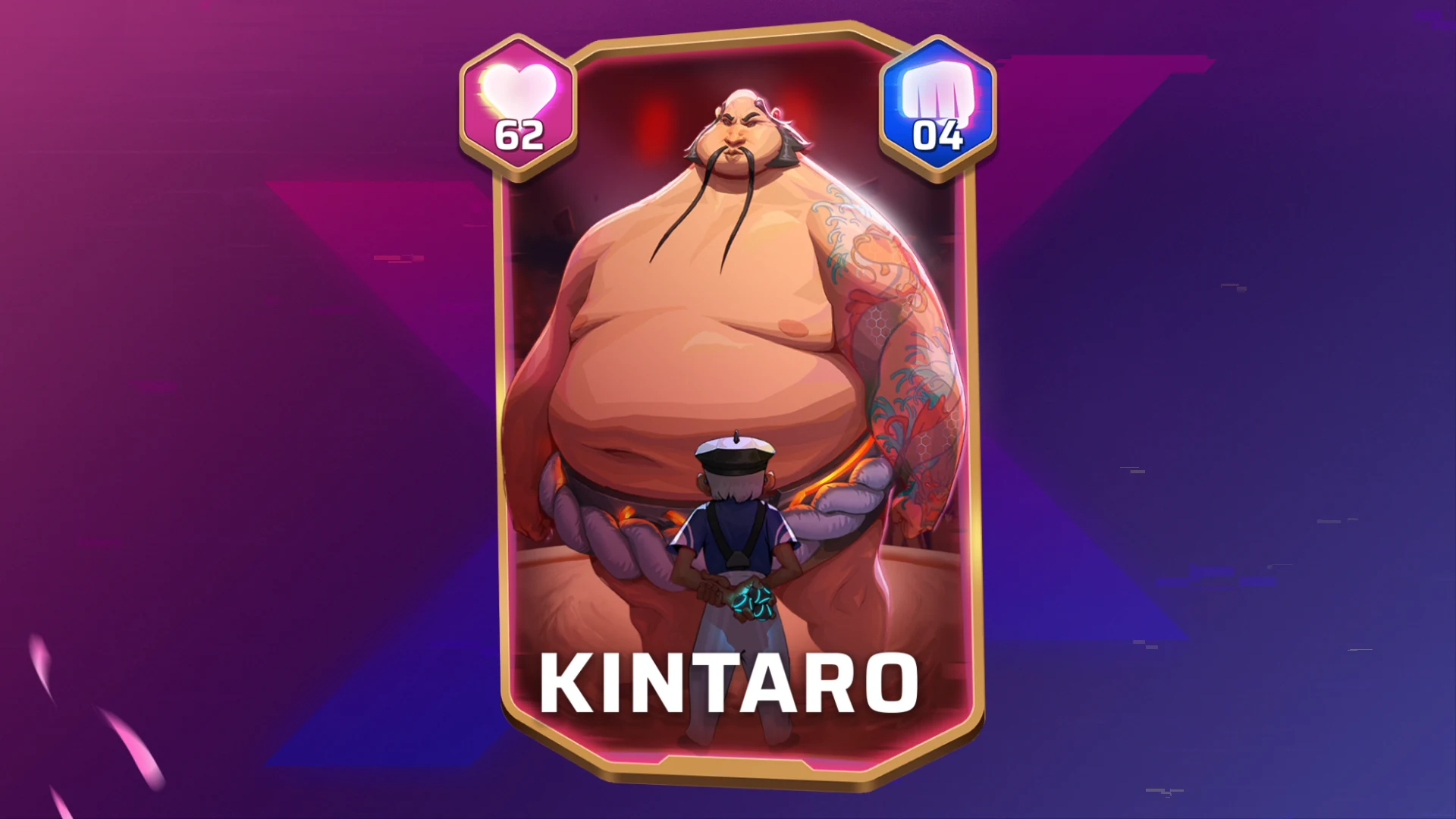
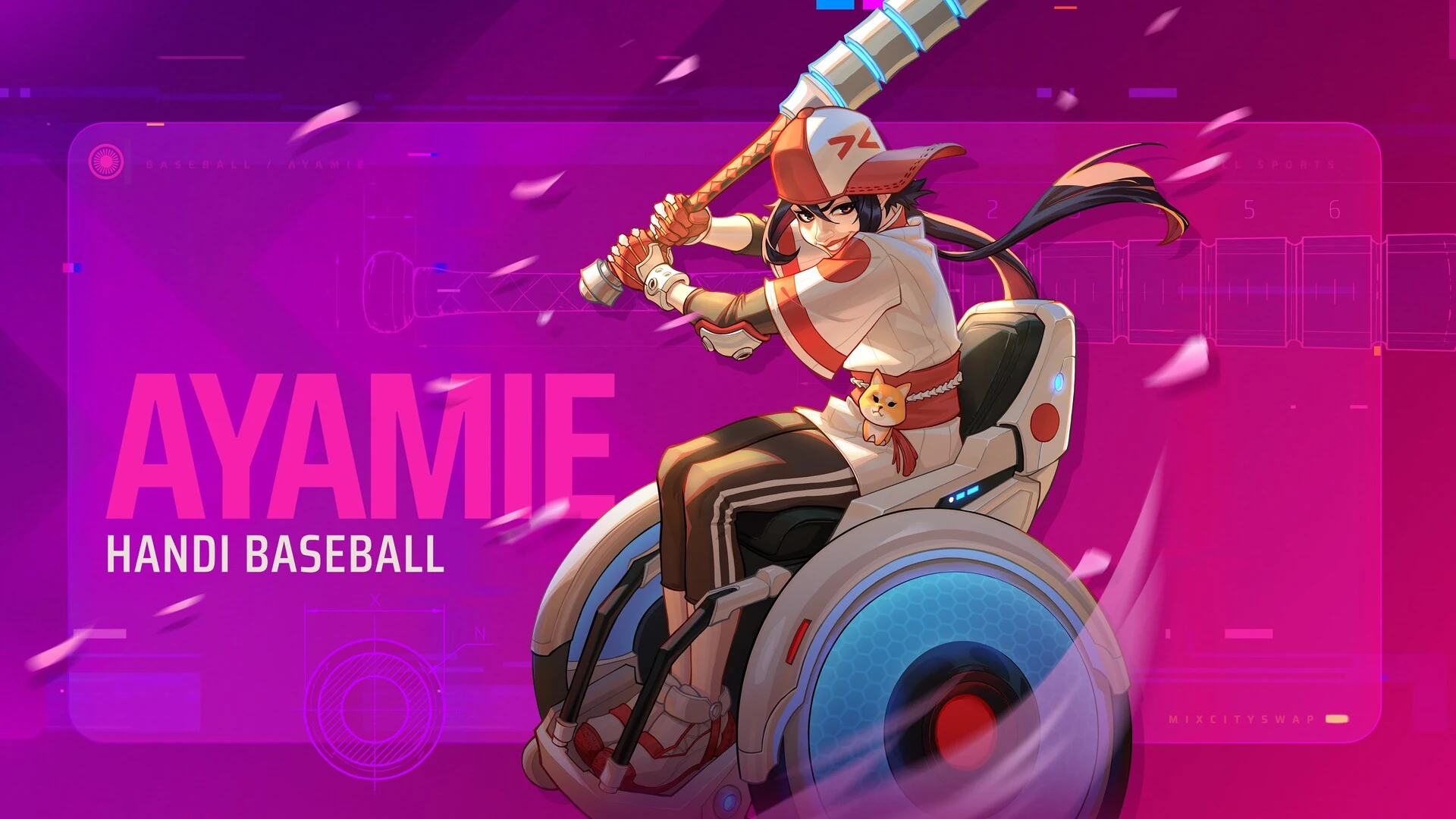
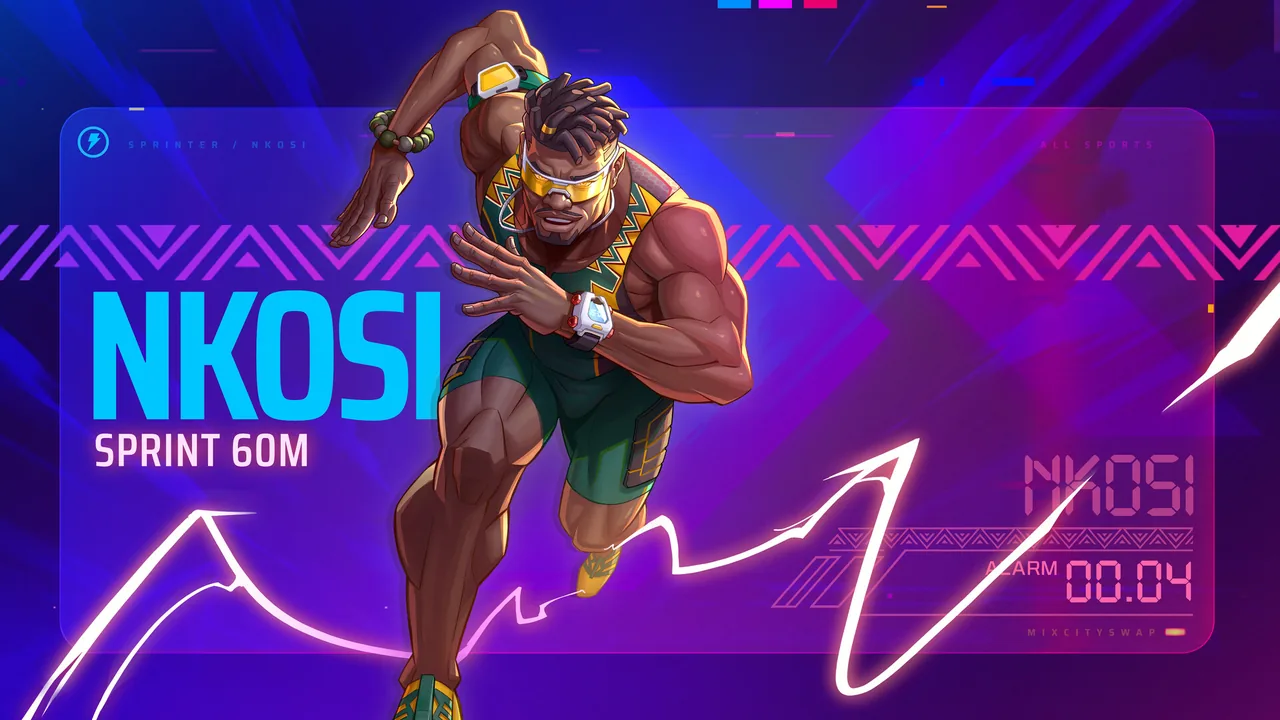
- Manual Layer Separation & Paint-Over (Photoshop): hero character spreads (Nkosi, Kintaro, Ayamie, and ensemble roster) were dissected cleanly into foreground silhouettes, props, graphic backers, and shadows, with hand-painted infill wherever 2.5D camera parallax opened gaps behind overlapping limbs.
- Tactical UI & In-Game Battle Board Choreography: Mixcity Swap centers on a 5x3 tactical card-swap grid driving health counters, attack trades, and critical hits (CRIT). Rather than cutting in blurry raw screen recordings, we rebuilt and animated the board faithfully to the in-game look so mechanics read effortlessly at a glance.
- Kinetic Typography Sync: crisp title hits and character badges land directly on musical accents, turning static illustrations into cohesive cinematic momentum.
- Modular Show-Floor & Social Loops (
END-Boucle): beyond the 16:9 HD show master, we delivered a Steam wishlist version, a textless clean feed, and standalone loops for individual characters and the closing ensemble frame for social reuse.
Why Studio Illustrators and Art Directors Prefer Pure 2D Motion
Beyond protecting community goodwill, eliminating generative shortcuts preserves creative control for the development team itself. Illustrators who spent months refining a character's silhouette, expression sheet, or tactical color palette naturally want to see their exact work headline the launch trailer, rather than a noisy statistical approximation. In a dedicated 2D motion pipeline, Alt-Studio treats original layered illustrations as master artwork, enhancing them with camera choreography, micro-parallax, crisp drop shadows, and rhythmic cut timing without ever altering the soul of the drawing.
This respect for original craft also pays dividends when budgets are tight or launch windows shift. Because After Effects rigs and vector UI elements remain modular, updating a release date slate, swapping in a localized title card for Paris Games Week or Gamescom, or adapting the ending loop for a publisher showcase takes hours rather than a full re-shoot.
Preparing Artwork for a Zero-AI 2D Motion Sprint
Tight file handoffs dramatically elevate the final cut inside a short 3-week sprint. Before kicking off production with Alt-Studio, we encourage partner studios to gather four essentials:
- Layered Native PSDs: unflattened illustration files separating characters, FX overlays, UI chrome, and backgrounds save days of manual masking and unlock deeper camera motion. When artists leave generous bleed around hidden joints or shoulders, our animators can introduce fluid breathing motion and clean torso pivots without paint-over artifacts.
- High-Res or Vector UI Kits: font files, HP bars, rarity badges, and grid frames look razor-sharp up to 4K when rebuilt cleanly inside After Effects. Keeping button states and critical-hit counters separate from baked screenshots gives our motion designers complete control over kinetic scale pops.
- Two to Three Concrete Gameplay "Proof Moments": whether on Steam or a show floor, viewers need to understand what the player actually does within ten seconds. We anchor the script, key visuals, and motion previz around those mechanical hooks before polish begins.
- Music Cue and Impact Beats Early On: pairing the motion previz to locked audio hit points right in week one aligns animation velocity, card flips, and typographic reveals with musical downbeats for maximum perceived punch.
Multi-Format Output Built into the Master Timeline
Working directly in cleanly organized After Effects comps makes multi-ratio rollout effortless: the 16:9 HD show master for Paris Games Week and Steam wishlist pairs seamlessly with the textless feed, standalone character loops, high-resolution key visual series, and reusable end-frame loop for social media channels.
By delivering modular booth assets alongside digital cutdowns from the exact same master timeline, partner studios walk away with a cohesive launch campaign that respects their artists, convinces discerning players, and stays nimble from announcement through post-launch updates.
- Alexandre Ferré — Editorial Direction & Technical Author
- Aurélie — 2D Motion Design & After Effects Lead
Exploration Plates & Material Studies
Case Studies Associated with This Research
Frequently Asked Questions on This Expertise
01 // Why choose a 100% 2D Motion Design trailer with Zero AI for a video game launch?
Why choose a 100% 2D Motion Design trailer with Zero AI for a video game launch?
Both video game players and platform holders scrutinize generative AI. On a showcase trailer such as Mixcity Swap for the Paris Games Week, animating directly from the studio illustrators’ original layered Photoshop artwork in After Effects preserves 100% of their hand-drawn style, keeps copyright clean, and guarantees immediate credibility.
02 // Can a 2D Motion Design trailer without 3D create real depth and impact?
Can a 2D Motion Design trailer without 3D create real depth and impact?
Yes. By splitting illustrations into multi-plane depth layers, rigging articulated 2D characters, designing kinetic sports HUD overlays, and adding hand-timed impact frames, we achieve full cinematic punch, even without sound on noisy trade-show booths like Paris Games Week.
03 // What timelines and formats are delivered for a game show or store launch?
What timelines and formats are delivered for a game show or store launch?
A 2D Motion Design reveal trailer takes 2 to 4 weeks depending on asset preparation. We deliver the 16:9 Master trailer alongside silent looping booth animations, Steam/storefront loops, and 9:16 or 1:1 social cuts.
Gaming & Trailers Expertise // Digital Atelier
Deploy this expertise on your next Gaming & Trailers production.
Review our dedicated deliverables, cadences, and methodologies on our pillar page or scope your project directly (timelines, formats & estimate) with Alexandre Ferré.