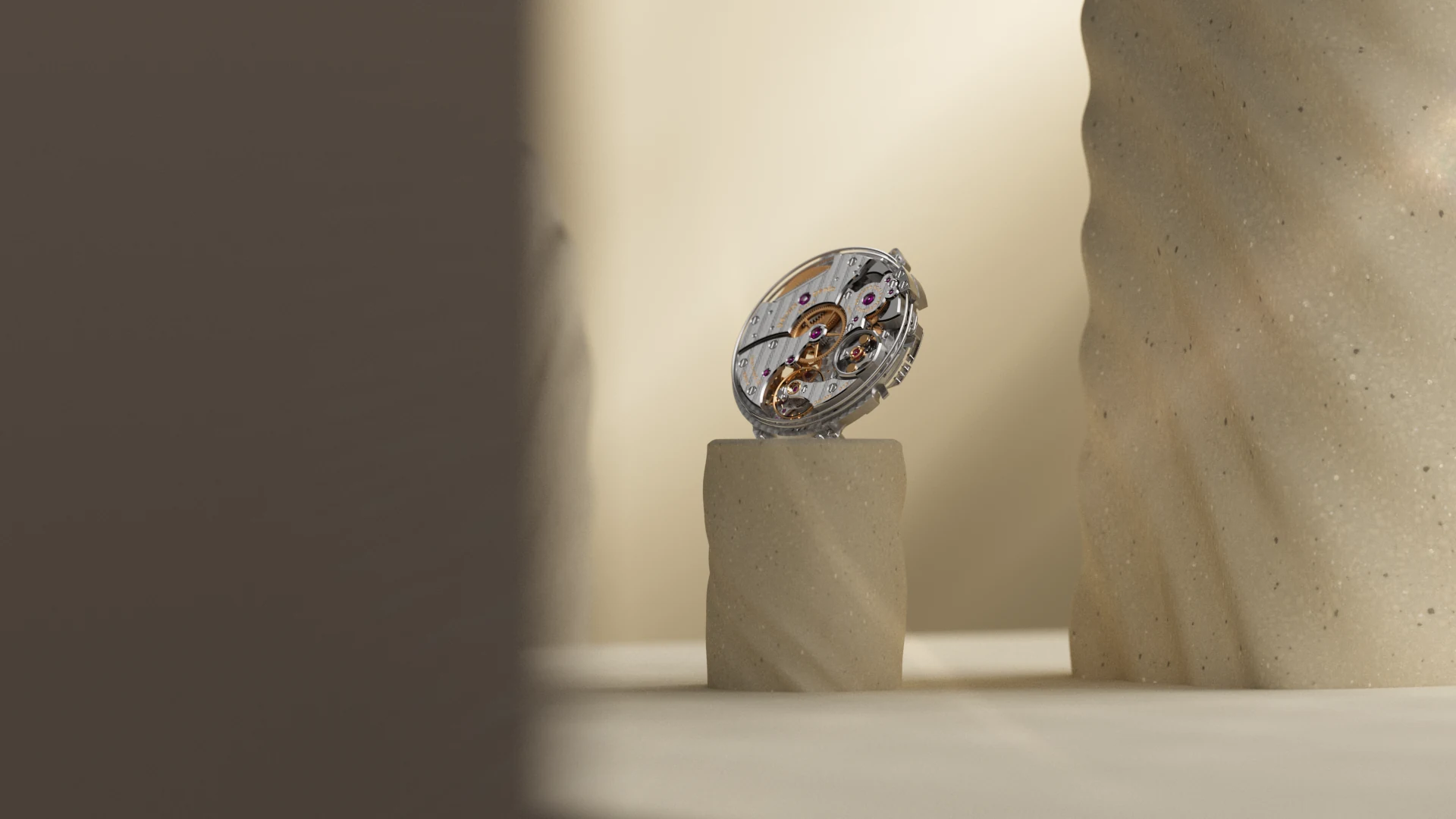
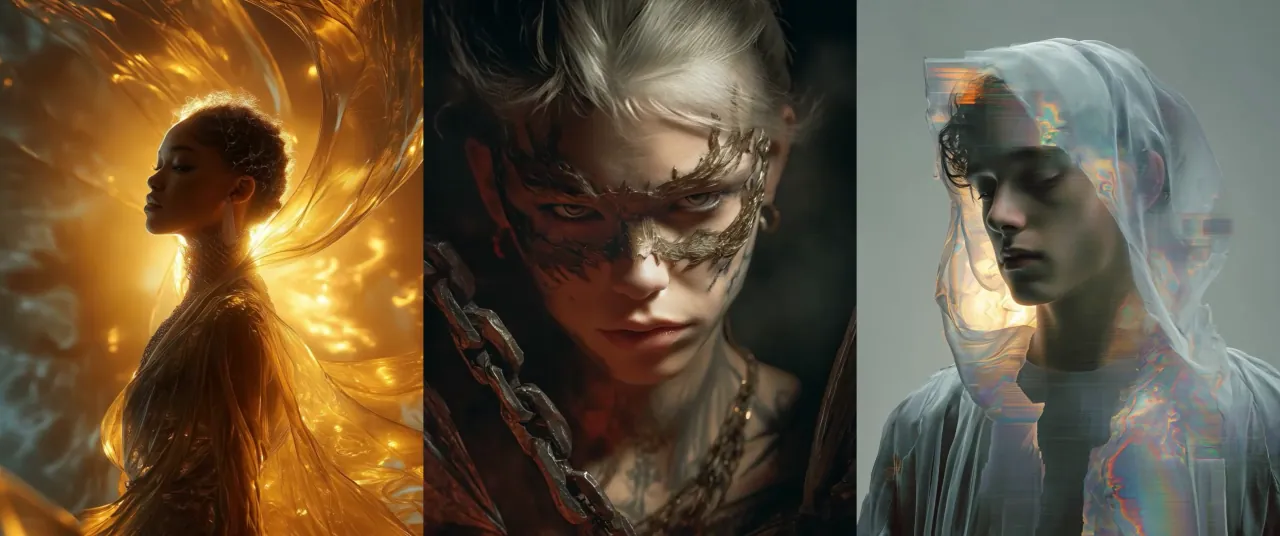
Royal Oak Concept Black Panther
- Alexandre Ferré — VFX Supervision & CGI Co-Direction (within Mécanique Générale)
- Ladislas — 3D Cinematography Direction
- Pierre — Lead 3D Environments & Assets
“Marvel Crossover & Swiss Icons of Audemars Piguet”
A spectacular worldbuilding film merging the Hollywood imagery of Black Panther (meteorite, vibranium, purple energy FX) with the historic Swiss landmarks of Audemars Piguet, supervised by Alexandre Ferré within Mécanique Générale.
↓ Read Technical Breakdown & Pipeline (5 chapters)The Intention
Tell a powerful story bridging two worlds: bringing the kinetic energy of Marvel and Wakanda straight into the historic birthplace of Audemars Piguet in the Vallée de Joux, building up to the final timepiece reveal.
The Craft
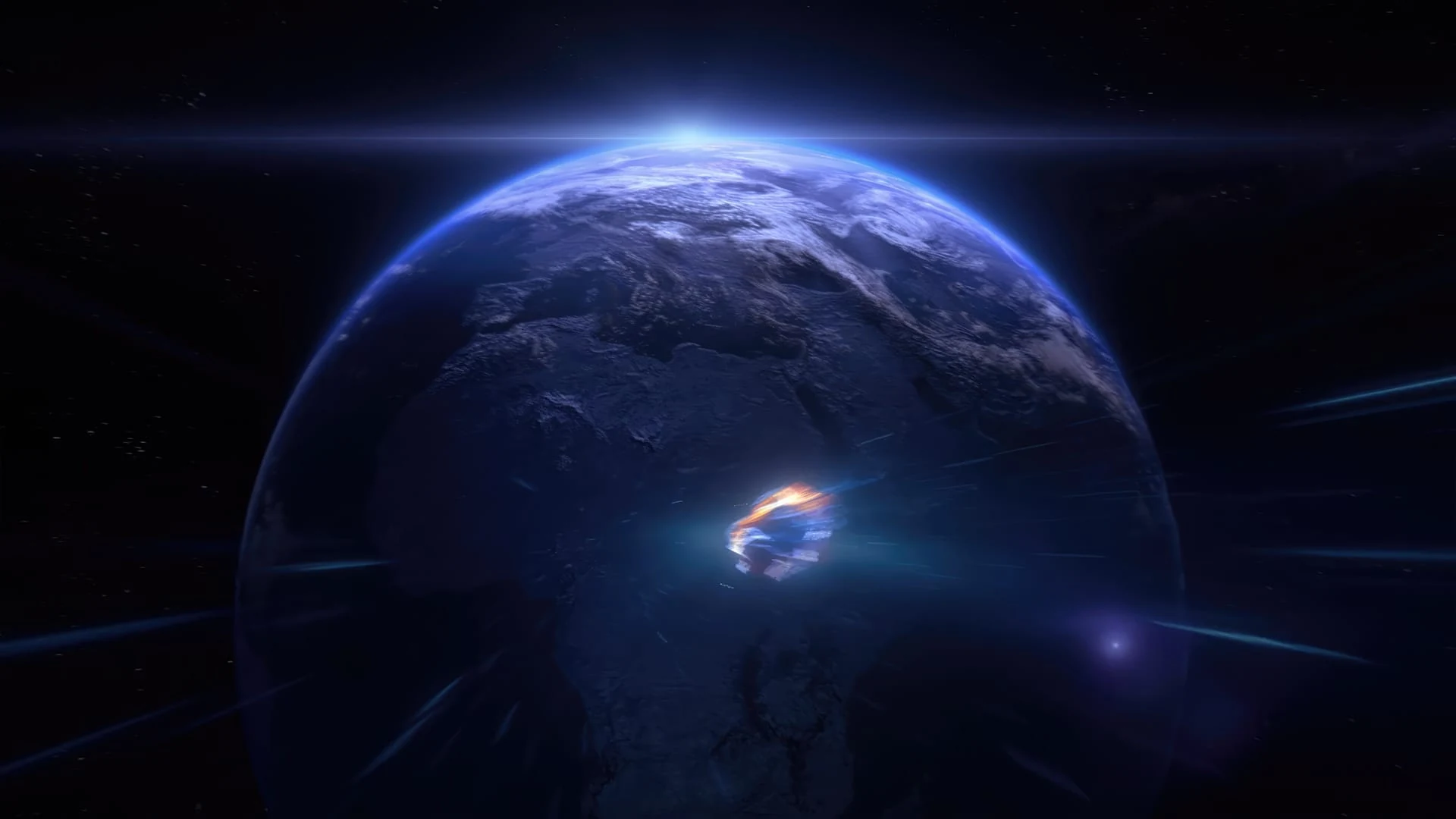
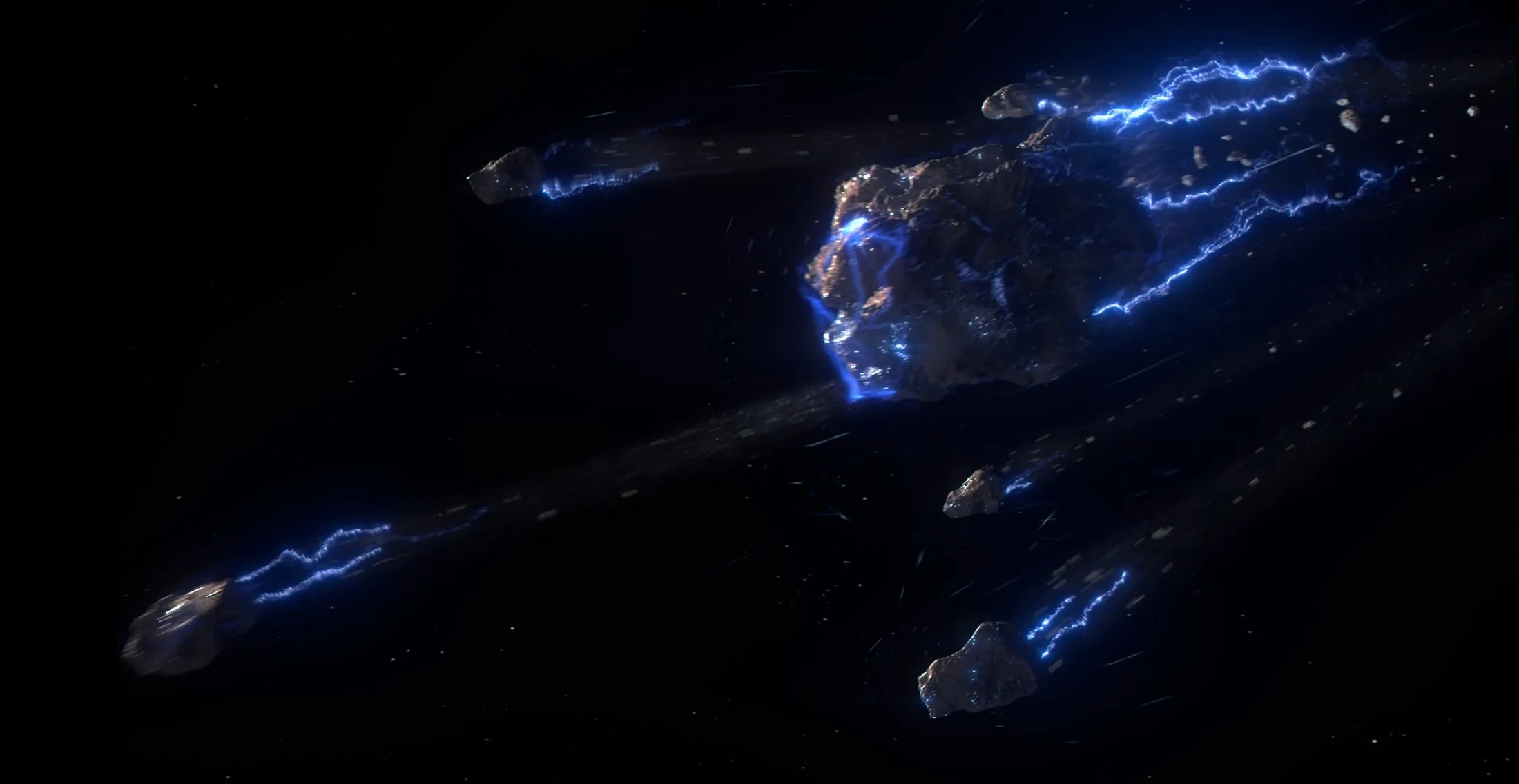
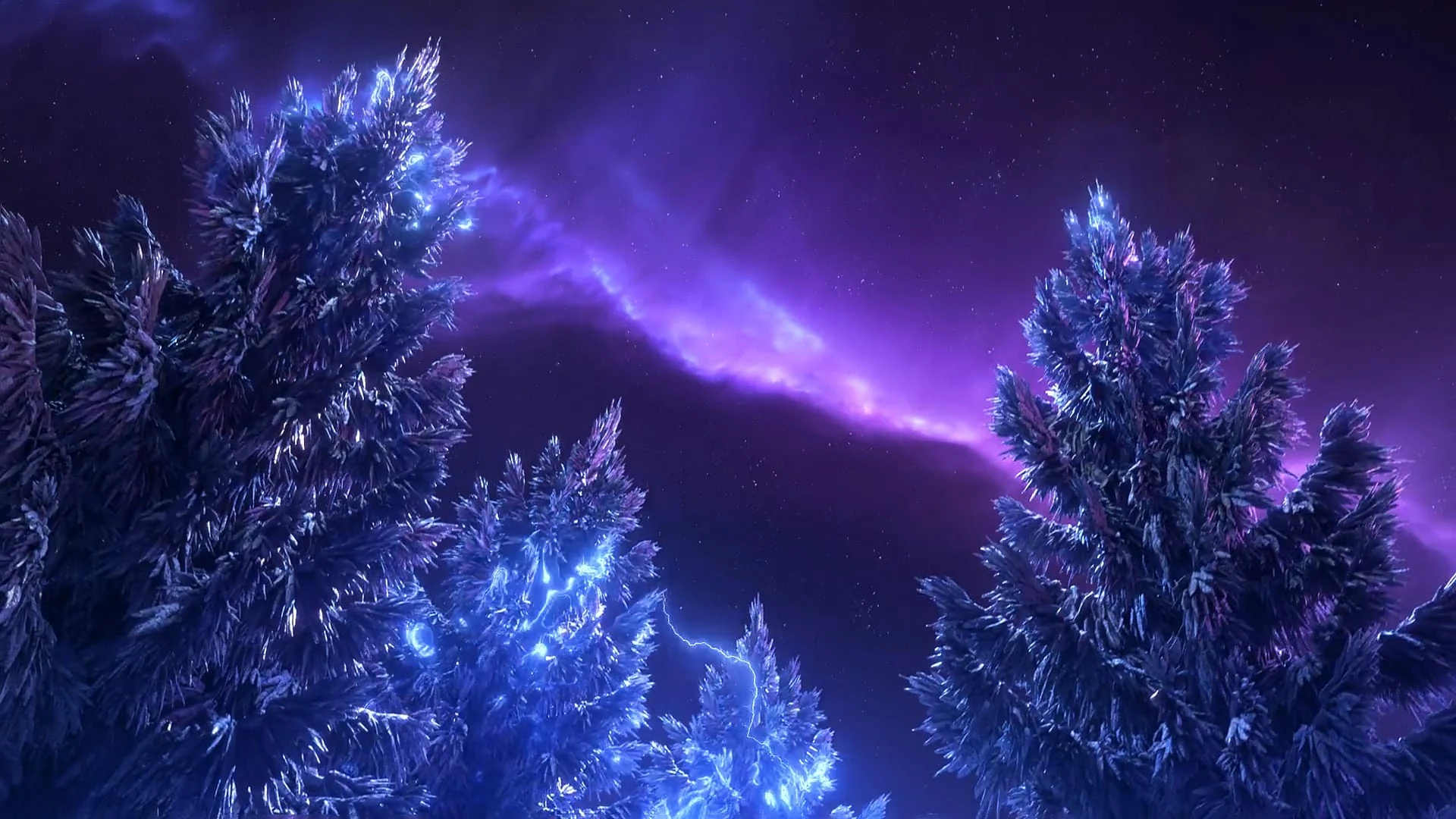
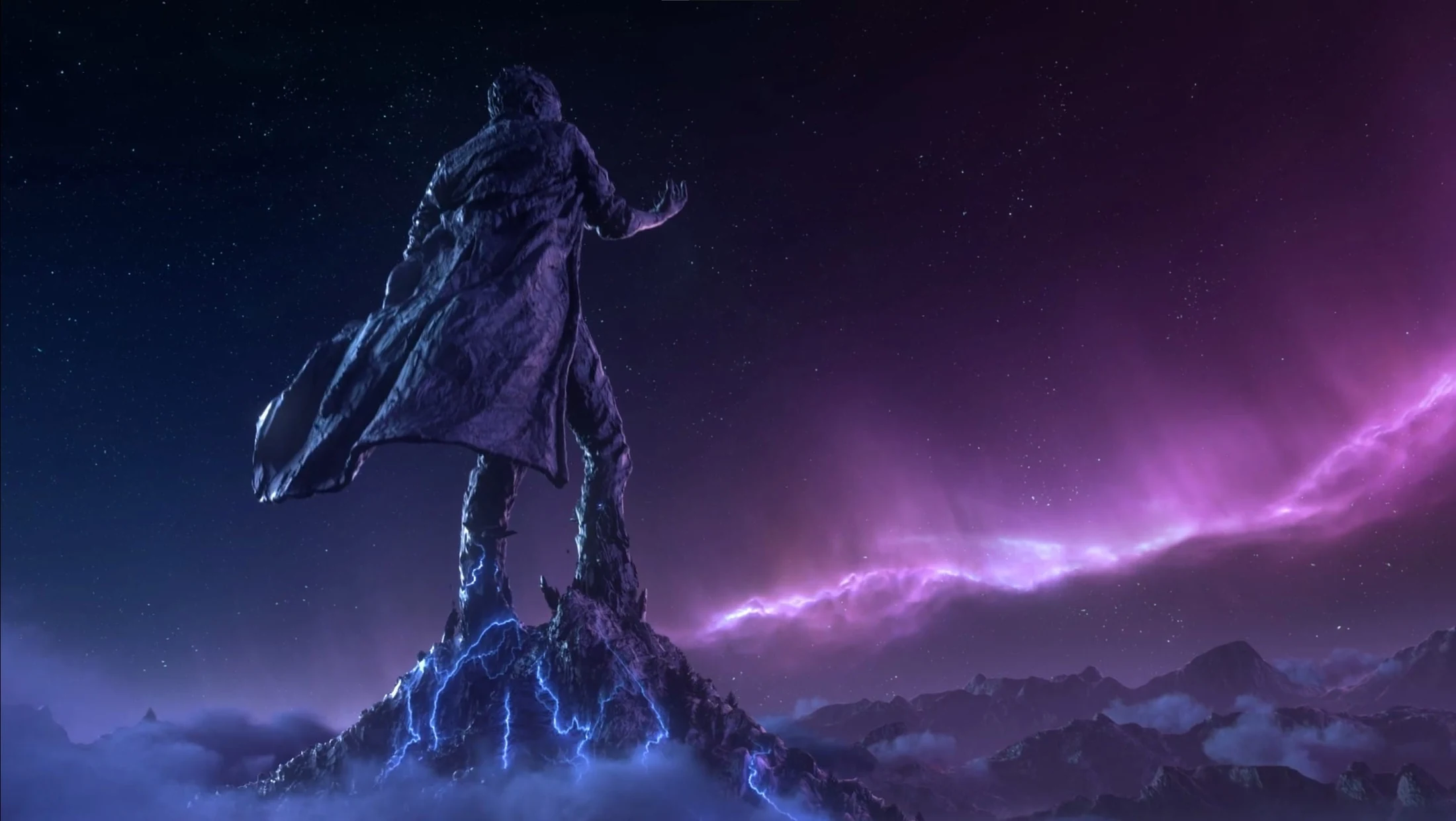
Full 3D creation of monumental environments (Dent de Vaulion, snow-covered Vallée de Joux, spiral Musée Atelier AP, meteorite) crossed by lightning and purple vibranium energy simulations in Maya, Houdini, ZBrush, Substance Painter and Redshift.
The Outcome
A high-impact global launch film whose complete 3D production assets (models, textures, shaders and environments) were also handed over to power the monumental Burj Khalifa projection.
Selected Renders
Behind the scenes, technical trade-offs & methodology
1. Business Context & Objective
At the time of this production, the SASU Alt-Studio was still being formed: this project was delivered under the name of Alexandre Ferré, acting as VFX Supervisor and CGI Co-Director within the studio Mécanique Générale (executive producer of the film). When Swiss manufacture Audemars Piguet unveiled the Royal Oak Concept “Black Panther”, the business objective of the film was not to produce a traditional micromechanical watchmaking demonstration, but to sell a story, a bold brand statement, and a major cultural crossover with the Marvel universe.
Unlike a classic product video, the watch itself is barely seen throughout most of the narrative: it is only revealed at the very end in an explosive final packshot surrounded by lightning and energy FX. The entire build-up focuses on the encounter between the Hollywood imagery of Black Panther (the falling meteorite, vibranium, purple energy shockwaves) and the heritage landmarks of Audemars Piguet in Switzerland: the Dent de Vaulion, the snow-covered forests and peaks of the Vallée de Joux, and the contemporary spiral architecture of the Musée Atelier Audemars Piguet in Le Brassus.
2. Art Direction & Technical Challenge
For an art director and a high watchmaking manufacture alike, the main trap of such a crossover is slipping into a generic superhero blockbuster aesthetic that erases the brand's identity. Our narrative stance was to anchor the supernatural intrusion of vibranium right inside Audemars Piguet's historic territory, building tension shot after shot across its iconic landscapes and architecture before revealing the timepiece at the last second.
From a 3D production standpoint, this required solving two concrete challenges:
- Preserving volume readability within a very dark photographic direction: the film is intentionally steeped in night and storm. In Full CGI, lighting vast natural and architectural environments in low-key conditions without crushing the blacks or clipping highlights during lightning strikes requires delicate calibration. The purple vibranium energy veins act as the luminous guiding thread leading the viewer's eye across rock, snow, and the curved glass of the Musée Atelier.
- Shifting scales without visual discontinuity: transitioning smoothly from wide space shots and mountain vistas to the hero's rock sculpture and finally to the macro watch packshot — featuring the hand-sculpted, hand-painted character on the dial — while keeping consistent grain, shaders, and special effects.
3. Deployed Pipeline (3D CGI / Motion / Hybrid AI)
To craft this Full 3D fresco, the teams led by Alexandre Ferré deployed our standard production pipeline built around Maya, Houdini, ZBrush, Substance Painter, Redshift Render, and Nuke:
- Environments, Layout & Modeling (Maya & ZBrush): creation of the large-scale topography of the Vallée de Joux and Dent de Vaulion, accurate architectural modeling of the Musée Atelier Audemars Piguet, and high-definition ZBrush sculpting for the rock formations, the meteorite, and the character's stone statue.
- Texturing & Shaders (Substance Painter & Redshift): authoring of texture maps (albedo, roughness, normal maps, displacement) in Substance Painter and lookdev of shaders in Redshift Render to control material response (rock, snow, architectural glass, dark sandblasted titanium, and glowing inclusions) in low-light atmospheres.
- FX Simulations & Compositing (Houdini & Nuke): Houdini simulations for asteroid trails, electrical arcs, and purple energy fissures cracking through rock and trees, followed by multipass assembly, atmospheric integration, and final color grading in Nuke.
4. Production Cadence & Methodology
Carried out over 6 to 8 weeks, the production was structured around clear visual milestones so the client could validate storytelling and mood before launching heavy renders:
- Weeks 1 to 2 (Consulting, Layout, 3D Animatic & 3D Concept): writing the visual narrative and blocking the shot-by-shot camera layout (as sound design arrived at the very end of the project). In parallel, we produced a reference Key Visual (KV) during these first two weeks to lock the art direction.
- Weeks 3 to 4 (Lighting/Color Validation & Asset Development): client sign-off on lighting and colorimetry based on the KV, alongside full production of the 3D environments and shot assets.
- Weeks 5 to 6 (Art Direction Rollout, FX Previz & Sequence Lighting): applying the approved art direction across all shots in the film, previewing and validating the vibranium and energy FX, and submitting first-pass sequence lighting to the client.
- Weeks 7 to 8 (Redshift Rendering, Continuous 3D Polish & Nuke Compositing): final ACEScg multipass rendering and Nuke compositing, running in parallel with continuous 3D polish and integration of final client notes right up to the very last moment of production, keeping the client in full control until final delivery.
5. Delivered Formats & Adaptations
On this project, our scope focused exclusively on the film production (with no print adaptations):
- Master Reveal Film (
16:9) broadcast during the global Audemars Piguet × Marvel launch event and across the brand's digital channels. - Complete handover of production assets for the Burj Khalifa: thanks to our strict naming conventions and clean pipeline structure, all of our 3D assets (models, textures, maps, shaders, and environments) were handed over turnkey to a second technical team that produced the monumental adaptation projected onto the Burj Khalifa in Dubai.